Island and Fife releases
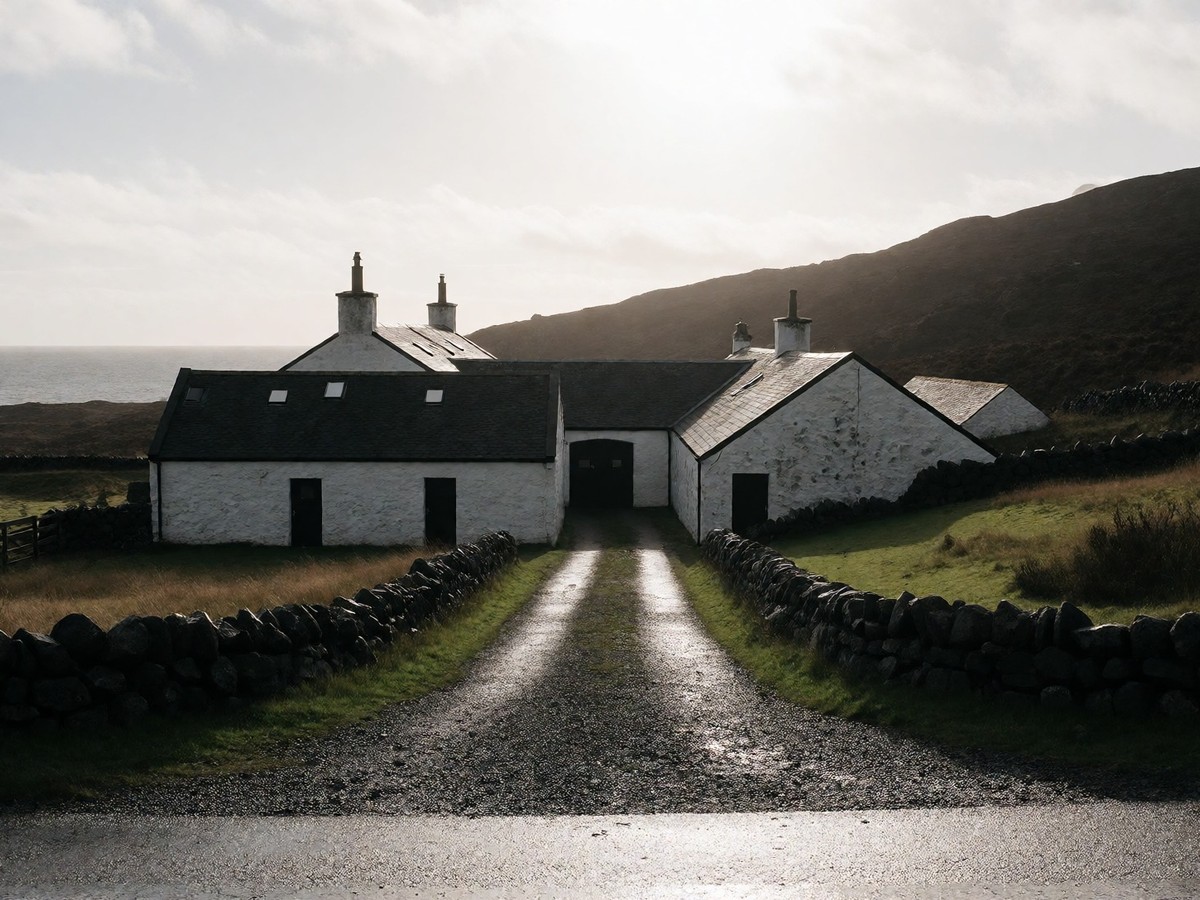
Independent bottlers access new stocks from a new generation of independently owned distilleries across Scotland. I bottled a seven-year-old Torabhaig from a single bourbon barrel in 2024/2025 as part of the Samhain Series, and the spirit tasted ready in our warehouse despite the age appearing too young on paper. This Isle of Skye distillery, owned by Mossburn Distillers, produces a maritime, smoky style similar to Talisker. Thompson Bros and the Scotch Malt Whisky Society also produced single cask bottlings of Torabhaig. In Newburgh, Fife, Lindores Abbey produces a fruity spirit with an oily texture using a 96-hour wooden fermentation. The late Dr Jim Swan helped create the distillery, which focuses on getting whisky into the market quickly. Lady of the Glen released a single bourbon-barrel bottling of Lindores Abbey in Q2 2026, but a leaking cask resulted in a very small outturn. This small quantity made the release an unusual addition to the collection. Alasdair Day, the founder of the Isle of Raasay Distillery, discussed cask selection in an interview with BBC Radio 4. Decadent Drinks and Cadenhead’s have released spirits from this coastal distillery, which uses Chinkapin oak to add sweetness and savoury characteristics. The Isle of Raasay Distillery uses gorgeous bottle moulds and branding to reflect its coastal setting.
Fife and Angus innovations
Ian Palmer established InchDairnie in 2015 on the outskirts of Glenrothes. I have purchased Strathenry, the unpeated make, and Finglassie, the peated make, which is now called Pitlochie. Finglassie provides smoke, fruit, and floral notes. It often reaches maturity faster than non-peated whiskies. We split a cask with the Fife Whisky Festival, reracked the leftovers into a Madeira cask, and released the whisky a year later. The Kingdom of Fife may one day be a whisky region due to its plethora of distilleries and independent bottlers. Other bottlers like Rest & Be Thankful, Cooper’s Choice, Keeble Cask Company/Fragrant Drops, and James Eadie have worked with InchDairnie, which is located near the many distilleries of the local region. The family-owned Arbikie distillery uses crops from its own farm to produce a range of spirits including gin, vodka, and whisky. I recently bottled a single-cask Arbikie rye whisky using a mash bill of 56% rye, 18% wheat, and 26% malted barley. The long fermentation of this rye contributes to the complexity of the distillate. This rye is full-bodied and weighty, containing notes of caraway, cloves, orange, apricot, sultanas, marmalade, and kerosene after its bourbon and Muscat finish. While the distillate is complex, the whisky has divided rooms when presented at tastings.