91% of UK adults now use at least one moderation technique, such as abstaining or switching to lower-ABV alternatives, to reduce alcohol consumption, according to the 2026 Drinkaware Monitor report. This figure rose from 87% in 2025. British online supermarket Ocado reported that sales of mid-strength drinks grew by 41% in February 2026 compared to January 2026. These sales also increased by 74% over the previous two years. Shauna Clark Fitzpatrick, the no/low and RTD buyer at Ocado Retail, says consumers focus on finding a balance that fits their lifestyle rather than giving up alcohol completely.
Brands and legal definitions
Diageo created a 20% ABV mid-strength line for brands such as Gordon’s and Smirnoff at select Tesco stores last month. The company intends to create a new space between existing alcohol categories to reflect the flexible way consumers approach alcohol.
| Drink Category | Mid-Strength ABV Range |
|---|---|
| Spirits | 15% to 25% |
| Wine | 6% to 7% |
| Beer | 2% to 3% |
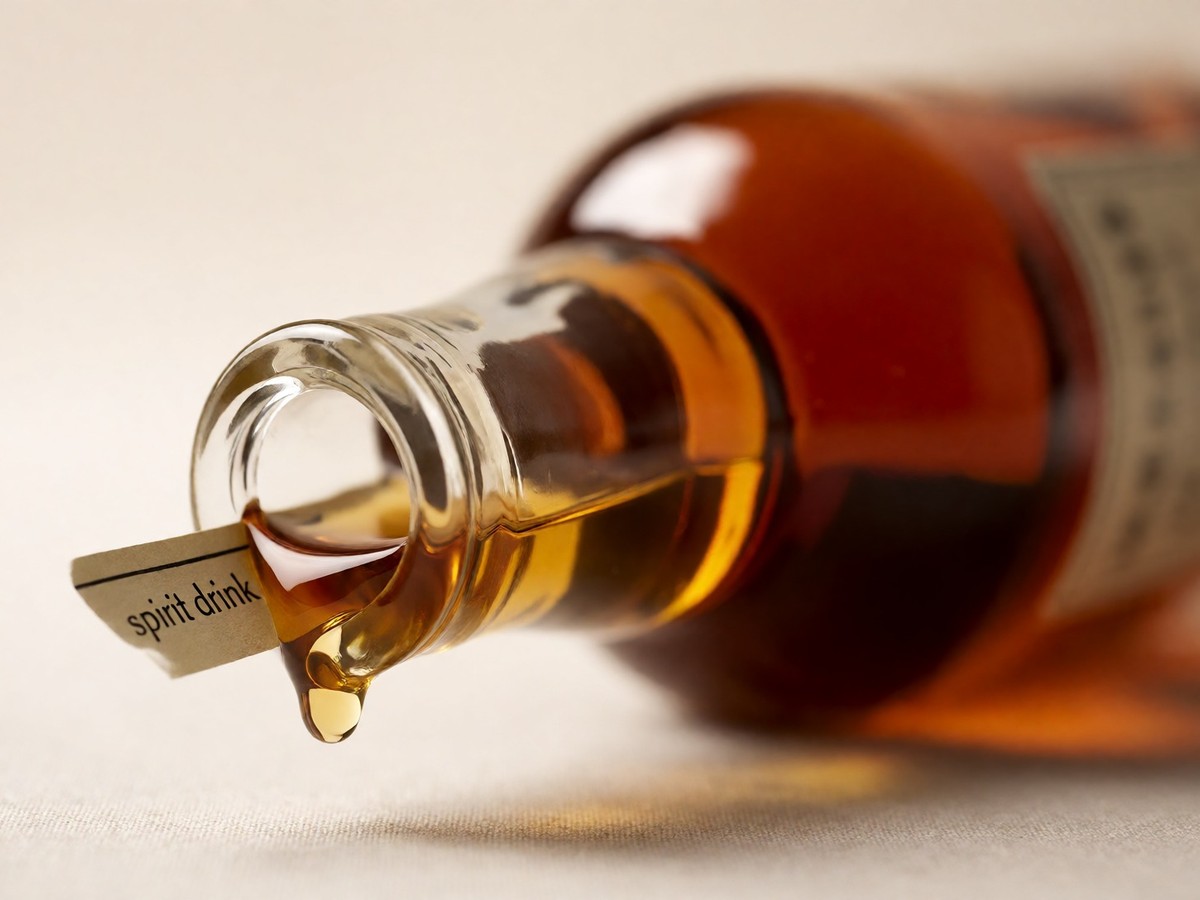
Quarter Proof, a UK brand founded in 2021 by Rohan Radhakrishnan and Fabian Clark, secured its first major supermarket listing in May 2026. Sainsbury’s now stocks its 15% ABV London Dry spirit drink and Blanco Agave spirit drink. Because UK and EU laws define spirits as 37.5% ABV or above, these products require the label "spirit drink." Quarter Proof raised its ABV from 12% to 15% in 2024 to secure its position as a spirit drink after legal challenges regarding its labelling. This year, the team launched Demi, a half-proof vodka for low-ABV cocktails like the Martini. Radhakrishnan says consumers struggle to understand the legal definition of low, making it clearer to understand a drink that is roughly half, so they can enjoy two for the strength of one.
The UK’s Session Spirit bottles its mid-strength range at 25% ABV. Co-founder Brad Crompton says the value of these drinks is comparable to full-strength products. He argues that price should reflect the quality and ingredients rather than just the percentage of alcohol in the bottle.
Consumer behavior and industry friction
The Mid-Strength Collective, co-founded by Laura Willoughby, who also co-founded the no/low collective Club Soda, conducted research to support brands aiming to make mid-strength mainstream. The study found that half of consumers would rather have two mid-strength drinks than one of full-strength if they were just going to the pub for one. Additionally, 36% of people polled said drinking mid-strength could help them improve social interactions and stay present. Willoughby says the opportunity involves making alcohol work better for modern lifestyles, which goes beyond the idea of simply "drinking less". She notes that consumer behaviour moves faster than category language and retail execution.
According to research by Kam Insight, 55% of consumers are interested in exploring mid-strength drinks as an alternative to full-strength, a figure that rises to 71% among consumers aged 25 to 34. Tom Surgey, the founder of Parched, says that when drinkers consume spirits in cocktails, they often struggle with the alcohol burn. He notes that drinkers seek character and a sense of place in their spirits. He thinks a G&T that reaches 2% or 2.5% ABV after adding tonic but still tastes like gin is an interesting concept. However, Surgey worries that mid-strength products will get squeezed in the middle because they might fail to match the intensity of full-strength spirits or the quality of zero-ABV options. He says the world does not need more things in glass bottles that are average or boring.
The industry is moving toward a four-tier ABV system of zero, low, mid, and full-strength. Anthony O’Connor, who co-founded the UK brand Cut Classics, says the industry skipped to the extreme and now faces difficulty working backwards. He notes that while mid-strength brands cannot market as "diet", lifestyle messages around alcohol and calorie reduction are true. Consumers enjoy alcohol unashamedly but recognize times when drinking less makes sense, according to O’Connor. Willoughby says consumers build a repertoire of full-strength, mid-strength, or alcohol-free options depending on the occasion.