Right as Rain wins gold in Glasgow
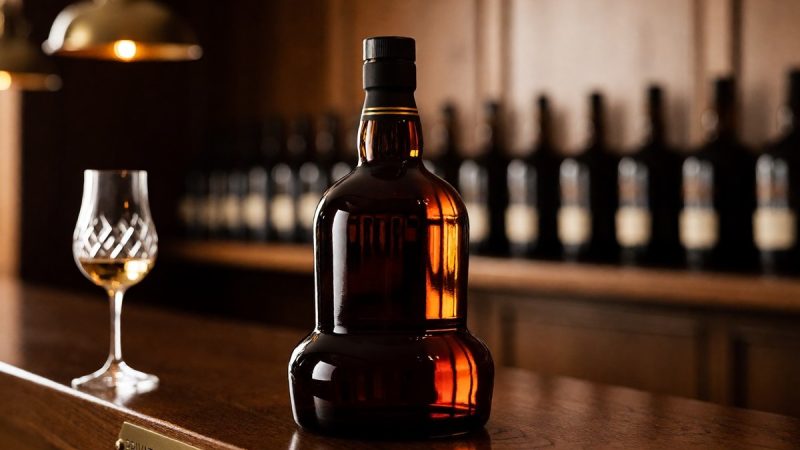
The Borders Distillery won Scottish Whisky Distillery of the Year at the Scottish Whisky Awards in Glasgow. Its Right as Rain blend took the gold medal in the Blended Scotch category, beating a Thompson Bros blend from Dornoch and Black Bottle Original. This blend is the third release in the distillery’s Workshop Series. This blend consists of 75% single malt and 25% single grain rye produced in Hawick, with the rye matured in Cognac casks and the malts aged in red wine and first-fill bourbon casks. I find the decision to produce every drop at a single distillery a smart way to control character.
| Specification | Detail |
|---|---|
| Price | £35 |
| ABV | 40% |
| Composition | 75% single malt, 25% single grain rye |
| Cask aging | Cognac, red wine, and first-fill bourbon |
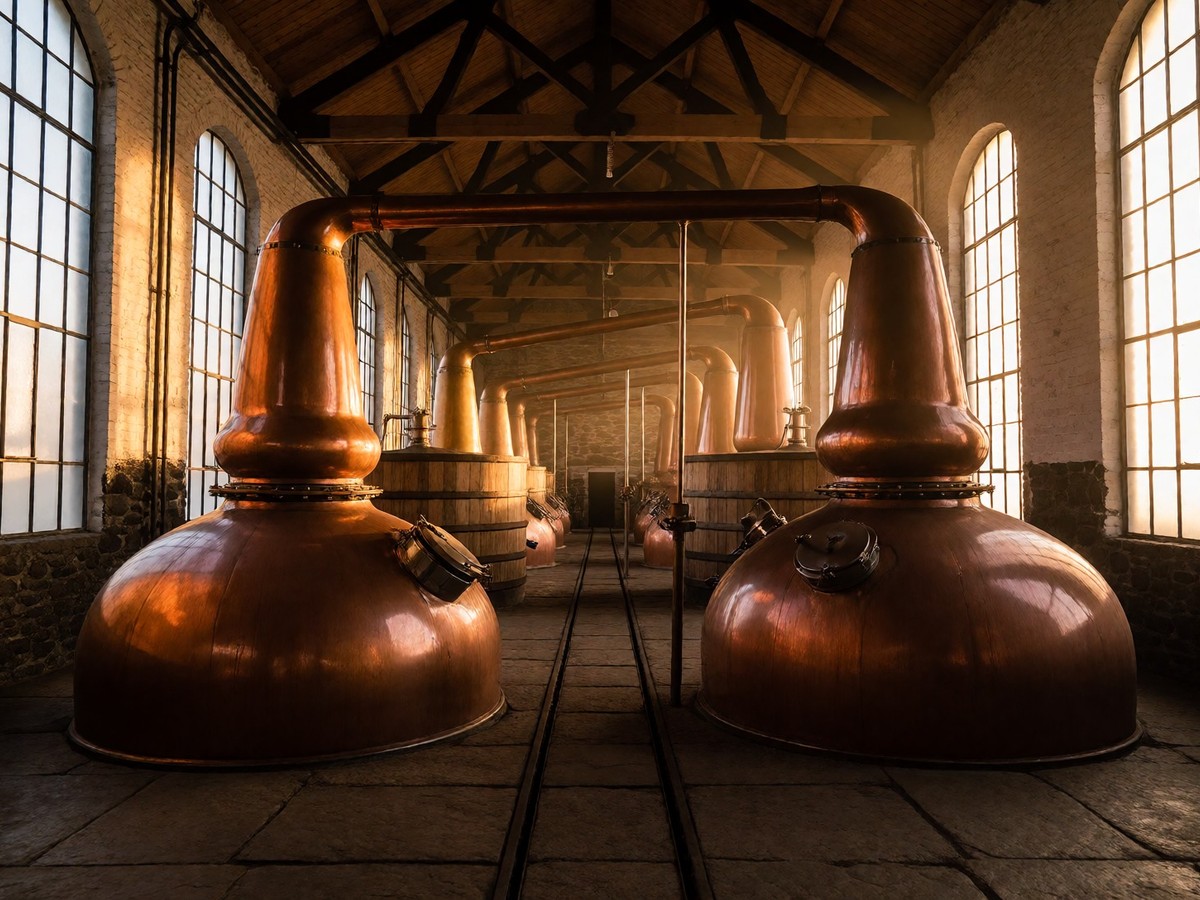
The distillery produces the rye whisky in Cognac casks and the malts in red wine and first-fill bourbon casks. This specific combination produces a nose of "tinned peaches, vanilla fudge & fig." The Workshop Series began with WS:01 in October 2022, which used 5,988 individually numbered bottles and a blend of 63.8% single grain and 36.2% single malt. The second release, WS:02, experimented with how different fermentation times affect the final product. Since the distillery uses pot stills, it can produce both malt and grain whisky without needing external sources. This flexibility helps a young distillery manage its inventory.
The return of the single blend
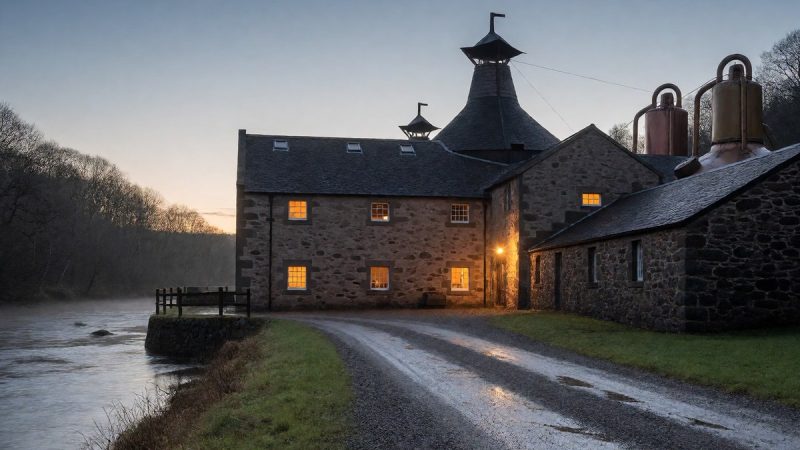
The single-site approach used in Hawick mirrors the history of Joseph Hobbs, who purchased Ben Nevis Distillery in 1941. Hobbs installed a Coffey still in 1955 to solve grain sourcing issues and later bought the Lochside brewery in 1961. He used four pot stills and a 67-foot Coffey still at Lochside to produce blends such as Sandy Macnab. Both distilleries eventually abandoned grain whisky production, although some of their stocks survived. In 2015, Ben Nevis released a 40-year-old "Blended at Birth" whisky as a reminder of this chapter in the distillery’s history. Modern examples of this single-site method include Kininvie’s KVSB003 from William Grant & Sons and the large-scale production at Loch Lomond. The Borders Distillery started production on March 6, 2018, in buildings near the River Teviot. It was the first legal distillery in the Scottish Borders since 1837. To maintain business while the single malt matured, the company sold Puffing Billy vodka and Kerr’s gin.
In April 2024, the financier Fero agreed to a £35 million funding package over three years to support the company. This money arrived before the September 2026 release of the inaugural single malt, which had 10,000 bottles matured in first-fill bourbon barrels and finished in Madeira casks. The distillery faces a difficult export market, as 2025 exports worth £5.3 billion fell 1.8% in value and volumes fell 4.3% to 1.34 billion bottles. US export volumes dropped 15% after the introduction of a 10% tariff in April 2025. The ability to produce its own rye allows the distillery to create accessible whiskies at £35 without relying on other distilleries. I see this production model as a way to build a unique identity beyond the single malt.