The 2013 British Columbia "Craft Distillery" designation requires 100% provincial agricultural inputs for any distillery using that label. These producers must ferment all spirits on site and cannot use neutral grain spirit. This regulation created a scene of over 85 craft distilleries, which is more than any other Canadian province or territory. Small producers with an annual output under 50,000L that use only BC agricultural inputs face a 0 per cent markup from the BC Liquor board. This differs from the 163 per cent markup the board applies to most other products. Stacey Kyle, a local whisky curator and consultant, says the perception of Canadian whisky as a value category is deeply ingrained because of how the industry historically marketed the category. For decades, the "Canadian Factor" described light, dependable, and affordable spirits. A generation grew up on "rye and cokes" with no one questioning the quality of what was in the glass. During the cocktail craze of the 2010s, Canadian whisky stayed mixable and reliable while the rest of the world moved towards powerful and flavorful whiskies. Reece Sims, Principal at SIP Spirits Consultant, says the province’s flexible regulations allow producers to use grains like barley, wheat, rye, oats, and triticale to push flavor beyond expectations.
| Feature | BC Craft Distillery Status | Standard Distillery Status |
|---|---|---|
| Agricultural Inputs | 100% provincial | Not specified |
| Fermentation | Must be on site | Not specified |
| Neutral Grain Spirit | Prohibited | Not specified |
| BC Liquor Board Markup | 0% (for <50,000L) | 163% |
Coastal and Island terroir
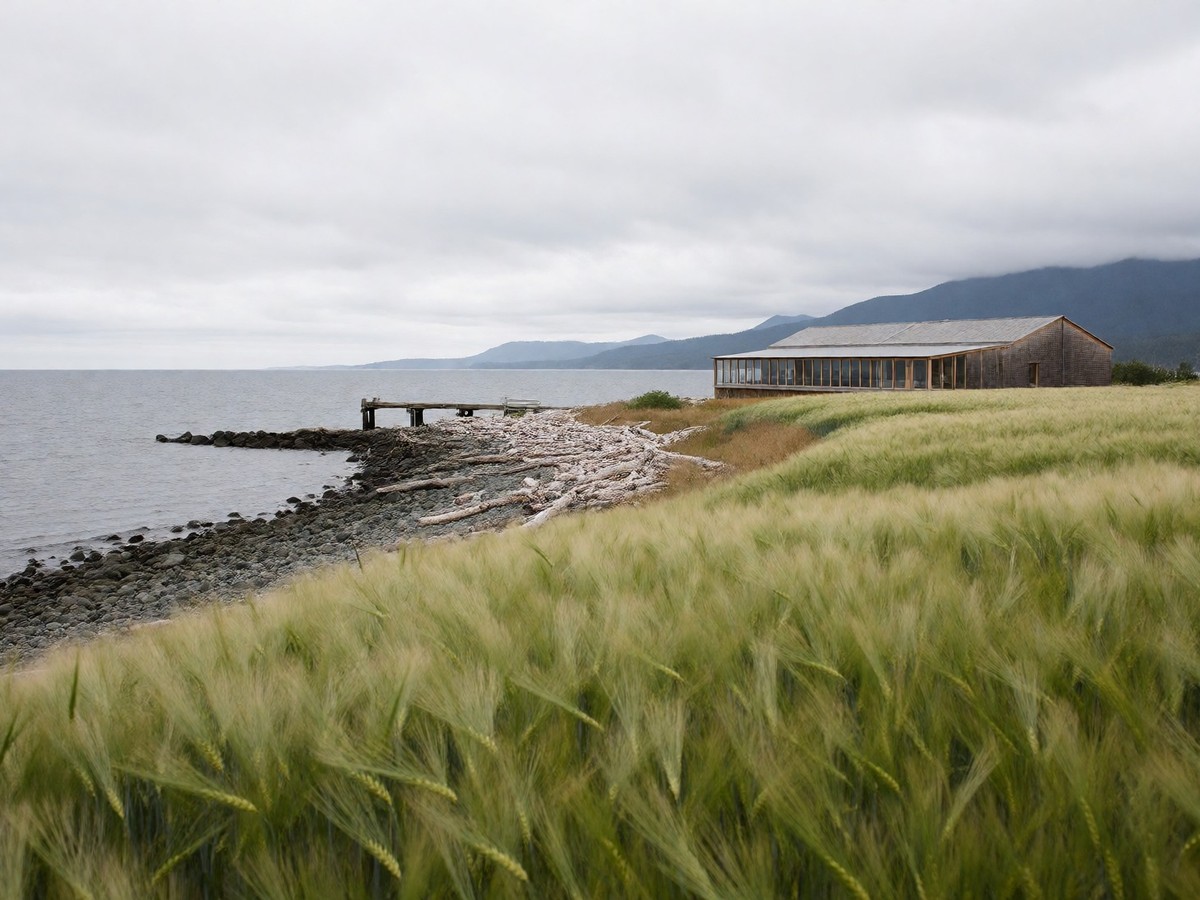
Shelter Point Distillery grows its own estate barley on 380 acres of oceanfront land. The distillery presents a unique sense of place through its experimental releases and matured core range. It produces "Smoke Point" Single Malt, which uses barrels finished with driftwood gathered from its own shorelines to create a distinct maritime saltiness and sweet campfire smoke. Their 10-Year-Old Estate Whisky, made from 100 per cent estate-grown grain, won acclaim at the 2026 World Whiskies Awards. Macaloney’s Island Distillery also received recognition at the 2026 World Whiskies Awards when its "Peat Project" took the title of Best Canadian Single Malt. To create the "Peat Project" expression, Macaloney’s Island Distillery used British Columbia barley, peat from Washington coastal lowlands, and local sustainably harvested sugar kelp through a partnership with Cascadia Seaweed. Margaret Rygiel, CEO of Macaloney’s Island Distillery, says the sugar kelp provides fresh maritime aromas and sweet smoke. This process allows the distillery to coax complexity from humble ingredients while amplifying the West Coast terroir. Dr. Graeme Macaloney, who recently earned the title of Global Icon of Whisky, leads the distillery’s efforts to capture the Pacific Northwest terroir.
Urban innovation and grain control
The distilling scene shifts from the mist-soaked rainforest of Vancouver Island to the urban grit of the Lower Mainland. Travelers reach the city via a 1 hour and 35 minute ferry ride or a 35 minute float plane trip where they may spot local marine wildlife. In North Vancouver, Sons of Vancouver produces high-rye whiskies aged in Caribbean rum casks or peated single malt barrels. Their expression "Palm Trees and a Tropical Breeze" was the first craft whisky to be named Canadian Whisky of the Year in 2023. Jenna Diubaldo, a partner and blender at Sons of Vancouver, says the team began working with a small farm in the Kootenay Valley in 2024 to procure single farm origin rye grain. This procurement allows the team to maintain control over the quality and consistency of their rye. The team aims to create whiskies that honor Canadian heritage while defying stereotypes. They also produce "Cigarettes on a Leather Jacket" and focus on cask strength blends designed to be powerful drams. Gordon Glanz, the founder of Odd Society Spirits, produces "Commodore Single Malt" in East Vancouver using Thor barley. Glanz uses traditional Scottish methods and raw grains to create complex, earthy profiles. The industry is currently attempting to raise the craft production limit from 50,000L to 100,000L or 250,000L to allow these businesses to grow. During the 2022 and 2023 BC Whisky Weekends, Reece Sims featured over 50 expressions from more than 30 distilleries, including spirits made with native ingredients like matsutake mushrooms.